

Welcome Avatar! Right before the weekend, the Argentine government handed the keys to the country’s most important commercial artery to a Belgian dredging company that has already held them for thirty years. The consortium of Jan de Nul and the local firm Servimagnus walked away with a 25-year concession to dredge and buoy the Hidrovía Paraná-Paraguay, the river highway that carries roughly 80% of everything Argentina ships abroad.
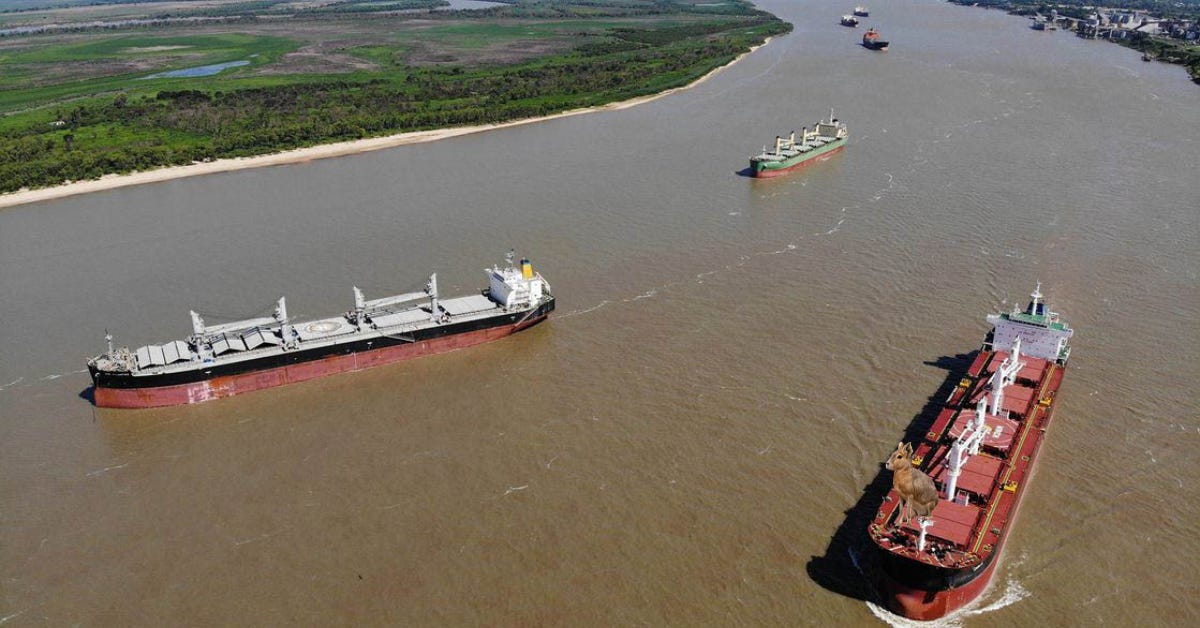
The government is calling it the largest privatization of the Milei era. What made me put down the mate and read the fine print is that the math doesn’t add up, and the government’s own anti-corruption prosecutor has already raised flags.
For a process the government swears was clean and competitive, a lot of people seem to disagree. Whenever there’s plata and concessions involved in Latin America, things can quickly start to get interesting from an assignment perspective.
So before we get to who really won and why, back up to where this river highway came from. The story of the hidrovía is Argentina in miniature: a strategic asset, a foreign operator, a stack of decrees, and a control body that somehow never gets built.
The Making of a River Highway
A river only becomes a hidrovía once you dredge it, mark it with buoys, and deepen it for big ships, so the whole thing is really a permanent engineering project dressed up as a river.
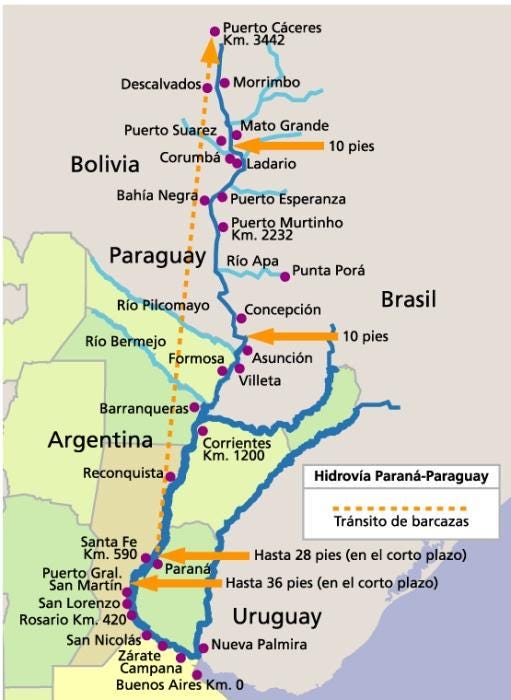
The modern story starts in the early 1990s. Back then most of the channel sat at barely 26.5 feet of depth, too shallow for grain ships to load full. A half-empty ship still pays full freight (the flete falso, or "false freight"), so the cargo crowd wanted it deeper, and they wanted private operators with dredges to do the work. The national governments along the river lined up financing from the usual suspects: the World Bank, the IDB, CAF, and FONPLATA.
In Argentina the machinery moved through Decree 863/93, signed in April 1993, which opened an international tender to modernize, dredge, and maintain the Argentine trunk of the waterway. The model was a public-works toll concession at the company's own risk, with no state guarantee.
Almost two years later, on February 20, 1995, the government signed with Belgium's Jan de Nul N.V. and Argentina's Emepa S.A. The two folded into a joint venture called Hidrovía S.A. that operated the waterway between 1995 and 2021.
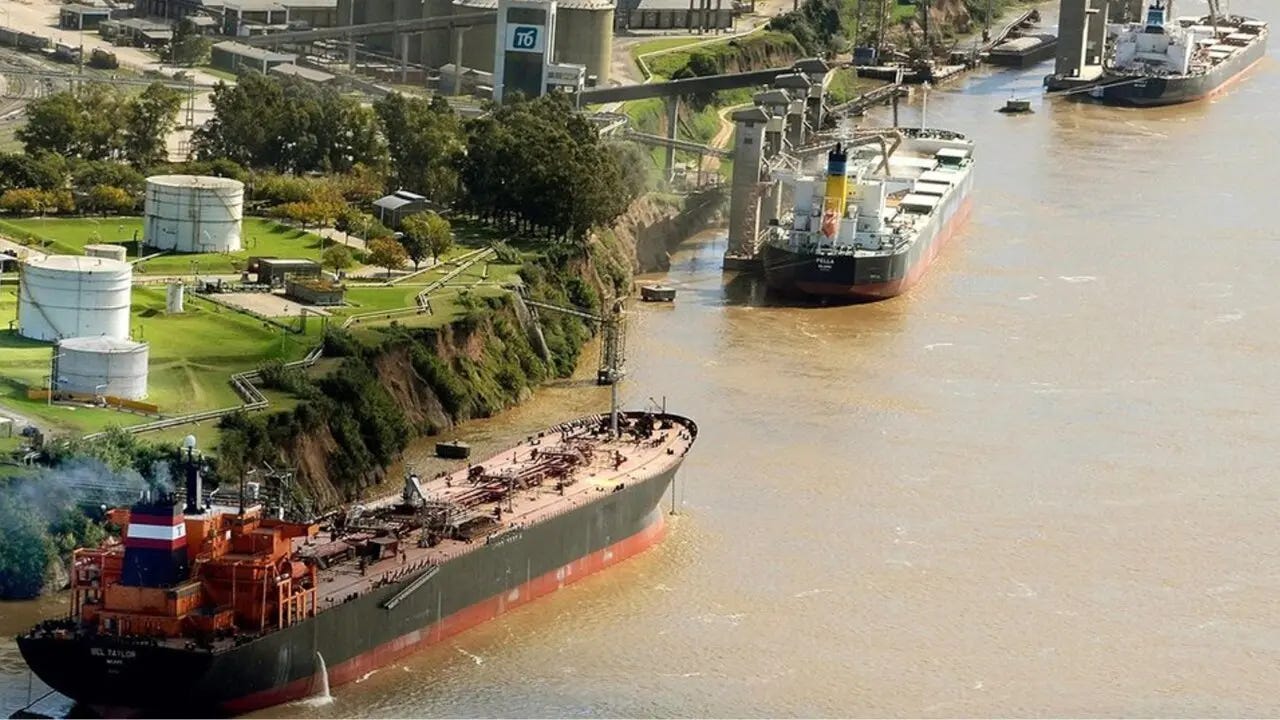
While the dredges ran, the geography of money reorganized itself around them. In a 70 km stretch near Rosario you will now find 29 private port terminals (!) and about 80% of the country's grain-crushing capacity, the densest agro-export cluster in the region. The cheap river freight helped fuel a soy monoculture boom, with everything that comes with it.
In 2024 alone, he grain and soy complex shipping through these terminals generated around US$5.5 billion in export duties for the national government. The transport of these large-scale exports is carried out using Panamax vessels, capable of transporting between 60,000 and 90,000 tons of cargo across the seas. But for those Panamax vessels to be able to navegate the river, it needs to be dredged. This is where Dutch and Belgian dredging companies come in.
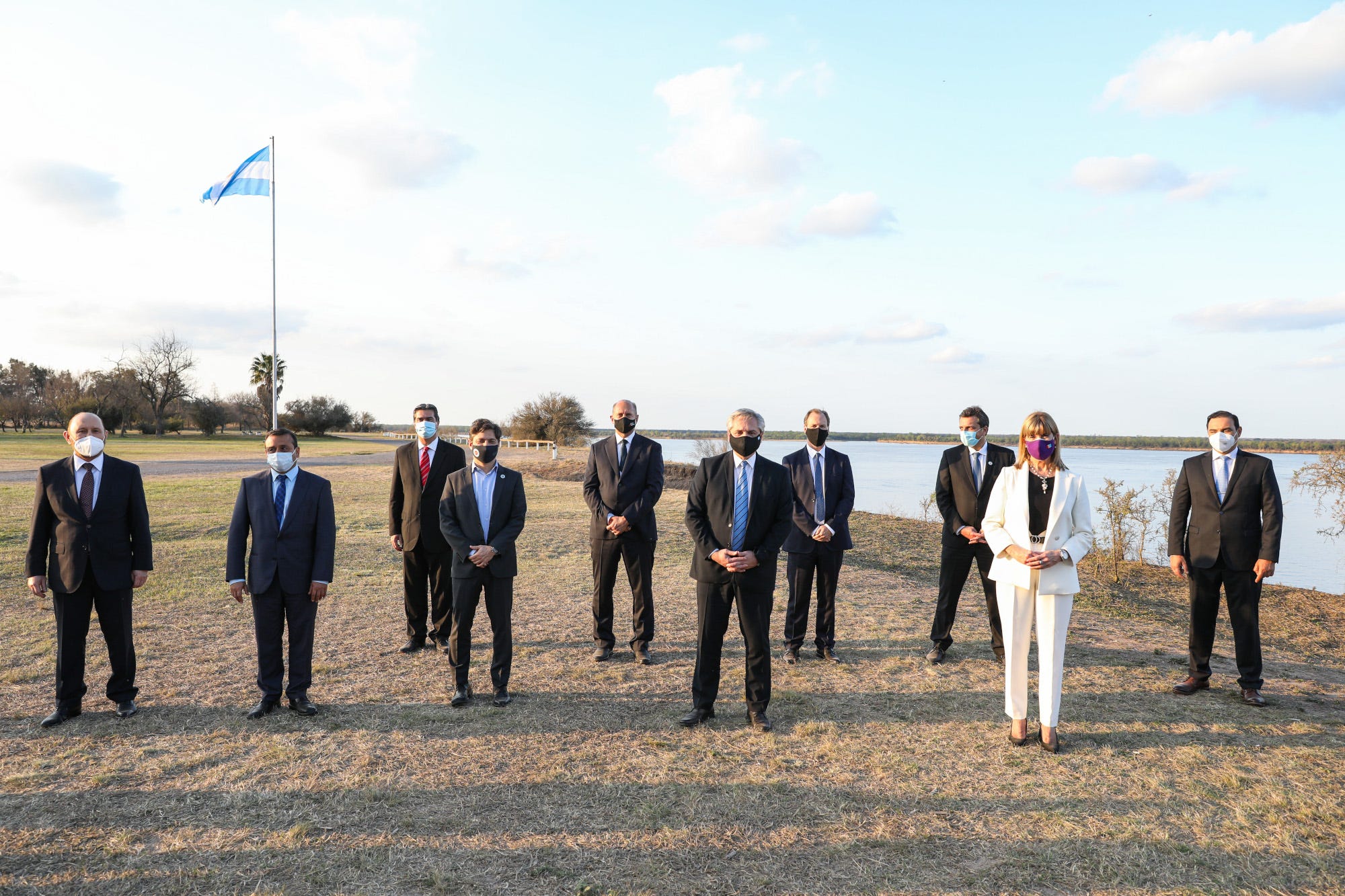
Since 2021, the dredging, buoying and signaling of the waterway, as well as toll collection, had been in the hands of the Argentine State through the General Ports Administration, after the government of then-president Alberto Fernández decided not to renew the Hidrovía S.A. concession.
As part of the agreement and through an Executive Order, Fernández created the Federal Waterway Administration State Company, with a 51 percent share of the social capital assigned to the State, and the seven provinces bordering the waterway with 49 percent ownership.
The 2024 Concession Tender
In 2024, the Milei Government called for a national and international public tender for the concession of the Paraguay-Paraná Waterway. The tender, managed by the Undersecretariat of Ports and Waterways, included the modernization, operation, and maintenance of the waterway’s signaling system, as well as dredging and re-dredging.
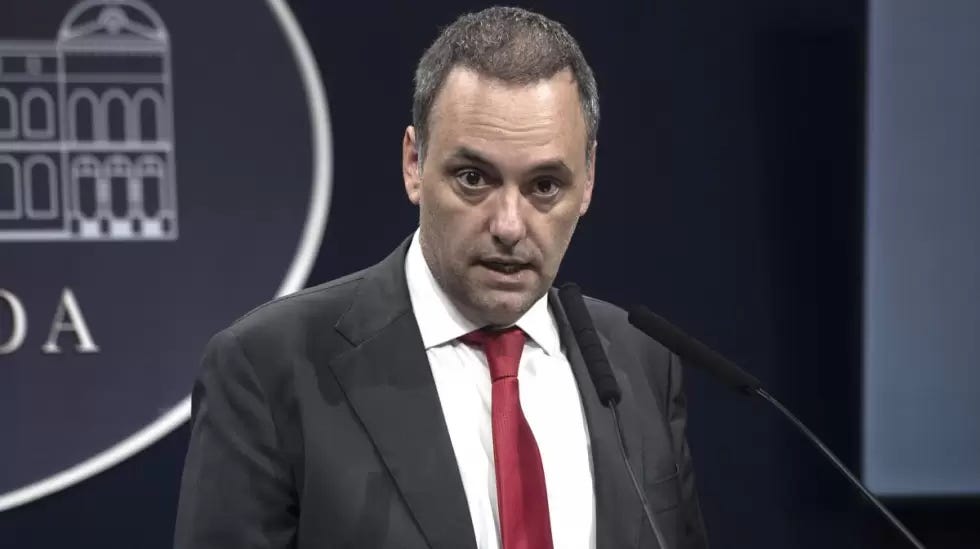
The tender to grant a private concession for the maintenance and operation of the Waterway was ultimately canceled by the Government itself following strong criticism and the submission of only one bid. This is a pattern that rodent readers will have grown accustomed to as far as important tenders go.

Only one company had made a bid: DEME, a Belgian infrastructure firm that had spent the process alleging the terms were rigged in favor of Jan de Nul, the long-standing incumbent concessionaire, which ultimately did not submit an offer. The government said DEME pressured rivals not to bid. Several international companies denounced irregularities in the tender specifications, arguing that the conditions favored the Belgian company Jan de Nul, which had held the concession for the service since 1995.
The Dutch company Boskalis and the Chinese company Shanghai Dredging also expressed their disagreement; the latter was excluded by a clause that prevented the participation of companies with CCP/State capital.
Criticism also focused on the 30-year duration of the contract and the government’s alleged intention to benefit Jan de Nul as compensation for an undredged debt of approximately $80 million from the defunct General Ports Administration.
Sabotage
Instead of owning up to a badly designed tender, the head of the Ports Agency (ANPYN), Iñaki Arreseygor, told a Chamber of Deputies committee that the tender for the Hidrovía concession was deliberately sabotaged, and he pinned the blame on former president Mauricio Macri and his former transport minister Guillermo Dietrich.
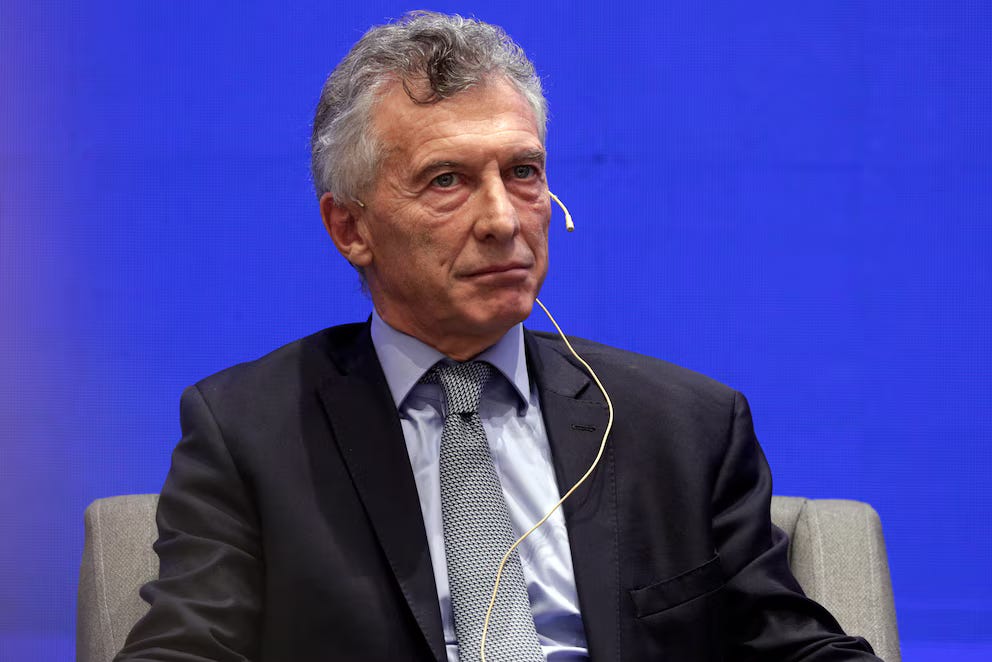
Dietrich pushed back in a statement, saying the tender was badly designed from the start. He argued the 2019 draft terms from the Macri-era had created real competition with shorter terms (not 30 years), and award by lowest price.
Former president Mauricio Macri hit back at the government over the Hidrovía tender, and named Santiago Caputo (Milei's presidential advisor) as the man behind the sabotage accusation leveled at him and Dietrich. This Hidrovía drama signalled the start of an open PRO-vs-Milei rupture over the river, and it would become the flashpoint for the broader Macri-Milei alliance breakdown.

The failed tender was only round one, and what happened on the second attempt is the part the government would rather you not look at too closely.