

Welcome Avatar! Argentina’s oil and gas region of Vaca Muerta is booming and global banks are lining up over $17 billion to build out the country’s LNG export capacity. As we are watching the conversion of Argentina as an energy powerhouse play out in real time, it makes sense to go over the latest developments that will have an impact for decades to come.
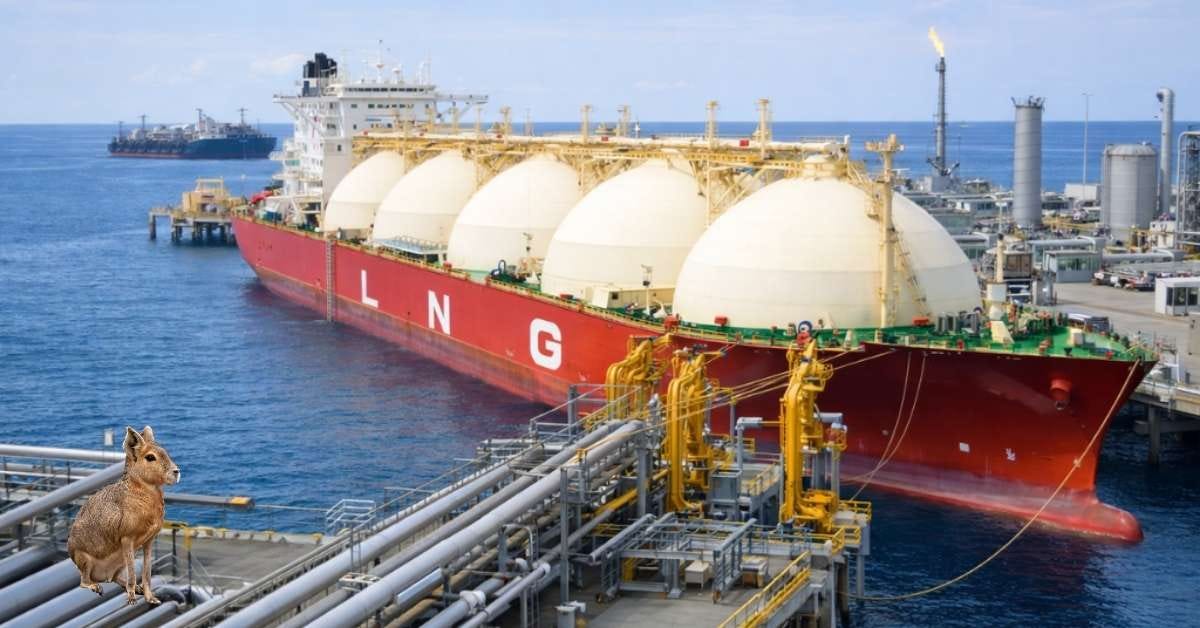
During the better part of the 21st century, Argentina was begging for gas. Household energy was heavily subsidized, and tankers from Qatar, Trinidad and Nigeria happily lined up in front of the regasification ship in Escobar to make sure that subsidized LNG reached porteño households. All the while the second-largest shale gas deposit outside of North America sat right under Neuquén, basically untouched.
Last week, a consortium of oil companies signed a $900 million dollar loan with nine international banks to build the pipeline that will secure Argentina’s LNG exports for good. The good news is that this was only the small part of the deal, because behind the scenes YPF, Eni and Abu Dhabi’s XRG are closing a deal with international banks for an additional $16 billion.
Today I will walk through the two financing rounds that will decide whether Vaca Muerta molecules end up in European grids and Brazilian power plants, and what Pampa Energía’s $2.7 billion investment in a fertilizer plant in Bahía Blanca could mean for Doha’s current monopoly on that front.