

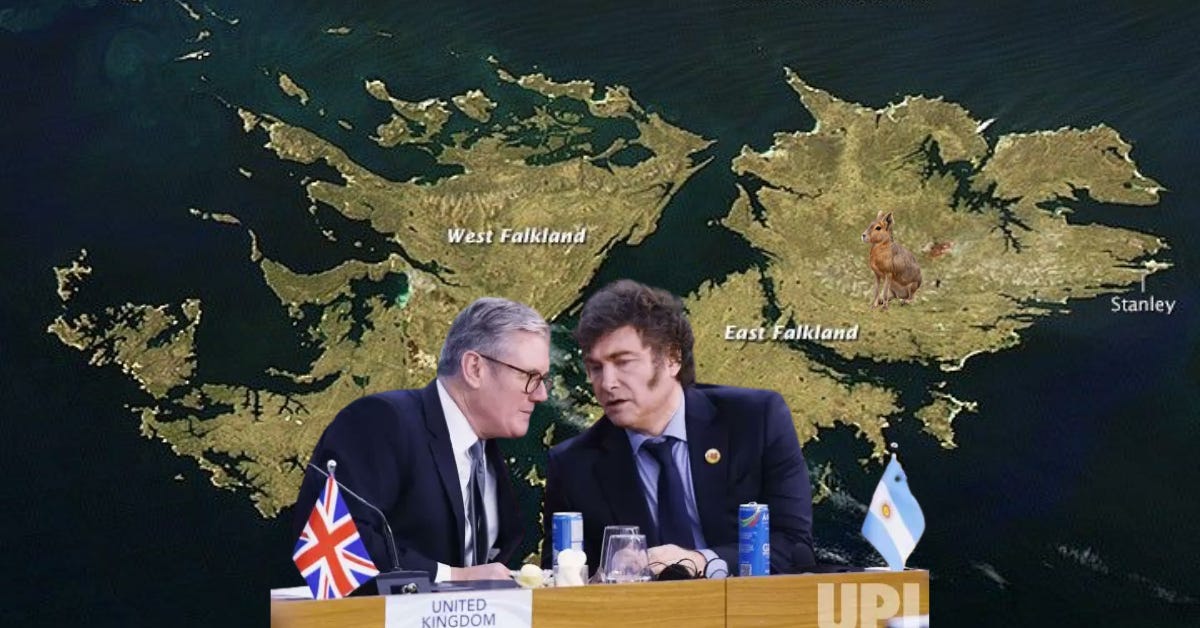
Welcome Avatar! Three and a half thousand people, a windswept rock, and a geopolitical migraine that refuses to clear. The Malvinas question just got reopened, and this time it is not Buenos Aires kicking the door in. It is Washington, quietly, while Starmer fumbles the special relationship in the Strait of Hormuz. Trump is revising the friends-and-enemies list, and Milei is already on the right side of it.
“The only chance of survival, when one is sincerely in love, is to conceal it from the woman one loves, to feign a slight detachment in all circumstances.”
— Michel Houellebecq, The Possibility of an Island
Short History
One way to get ensured engagement for farming Musk Bucks on X, is mentioning anything related to the Falkland Islands, or Islas Malvinas as they are called in Argentina. Even the mere mention of the word “Falklands” is enough to make many an Argentine netizen’s blood boil up to the point where a comment to dispute that term is no longer optional, but a necessity: they are called Malvinas.
For the rest of this article I will switch back and forth between these names, because as charged as they may be, they do not seize to be just that: names for two islands in the Argentine Sea.
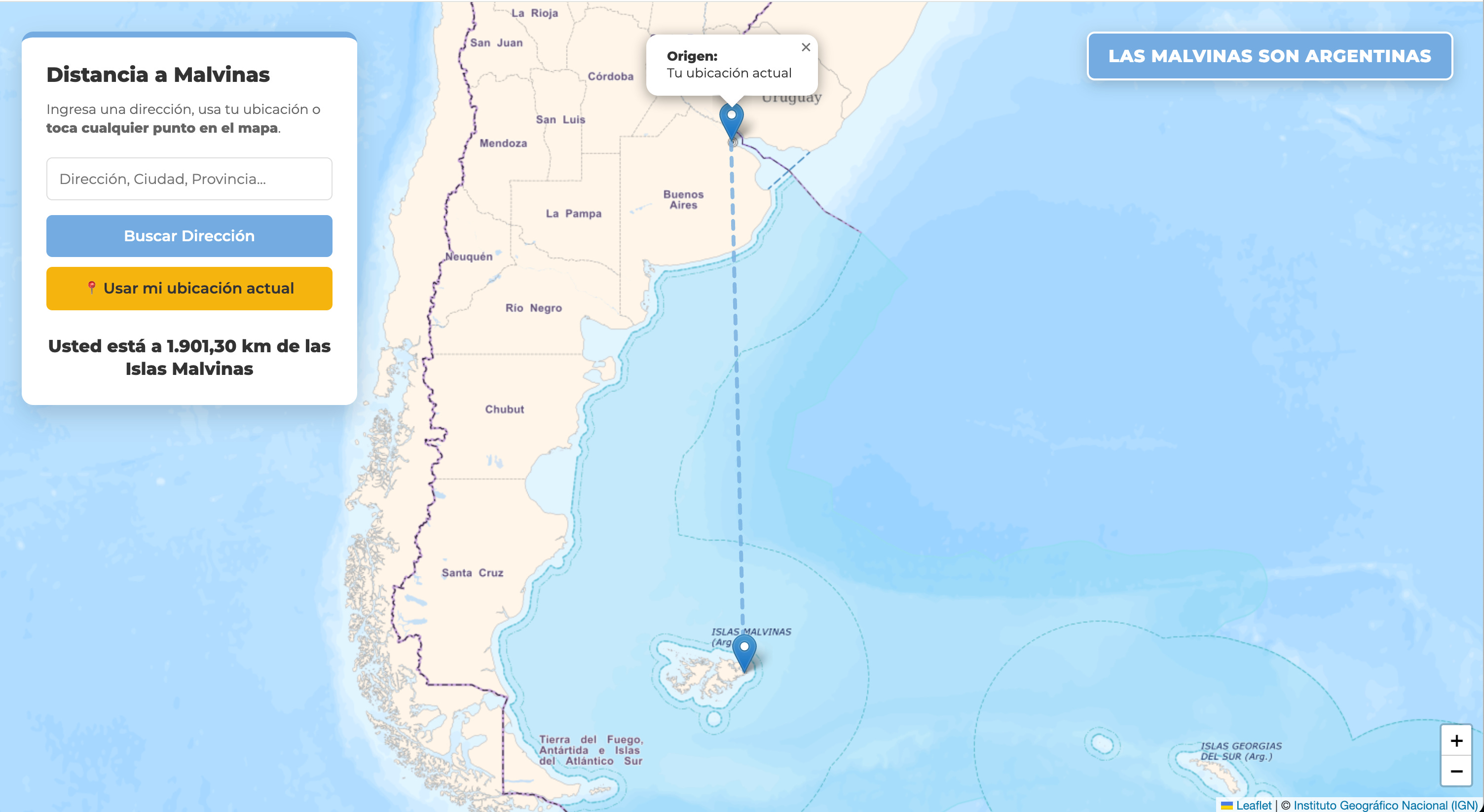
The United Provinces without a Kingdom already discussed the claim to the islands from both sides briefly. In the words of the Argentine Ministry of Foreign Affairs:
On January 3, 1833, the Falklands were illegally occupied by British forces who evicted the population and the Argentine authorities legitimately established there, replacing them with British subjects who since then established restrictive measures to prevent the resettlement of Argentines.
According to the British, the islands were discovered by an English sailor in 1592 and then competed with Spain for sovereignty. In practice, the Falklands were a no man’s islands ready for the taking and it wasn’t hard to get rid of the Argentine control that was there at the time. Finally in 1833 the United Kingdom expelled the Argentine governor and the garrison, forcibly taking control of the islands to the present day.
The fact that there was even an Argentine governor and garrison to begin with, along with the recent discovery of a formal request from an English captain to Buenos Aires to operate in the archipelago in 1813, kind of blows a bit of a hole in the British historical narrative and strengthens the Argentine case.

Argentina never abandoned its claim for sovereignty over the islands, and after taking the issue to the UN Special Committee on Decolonization, it managed to start negotiations with the United Kingdom through UN resolution 1514 of 1960. Unfortunately, negotiations went nowhere.
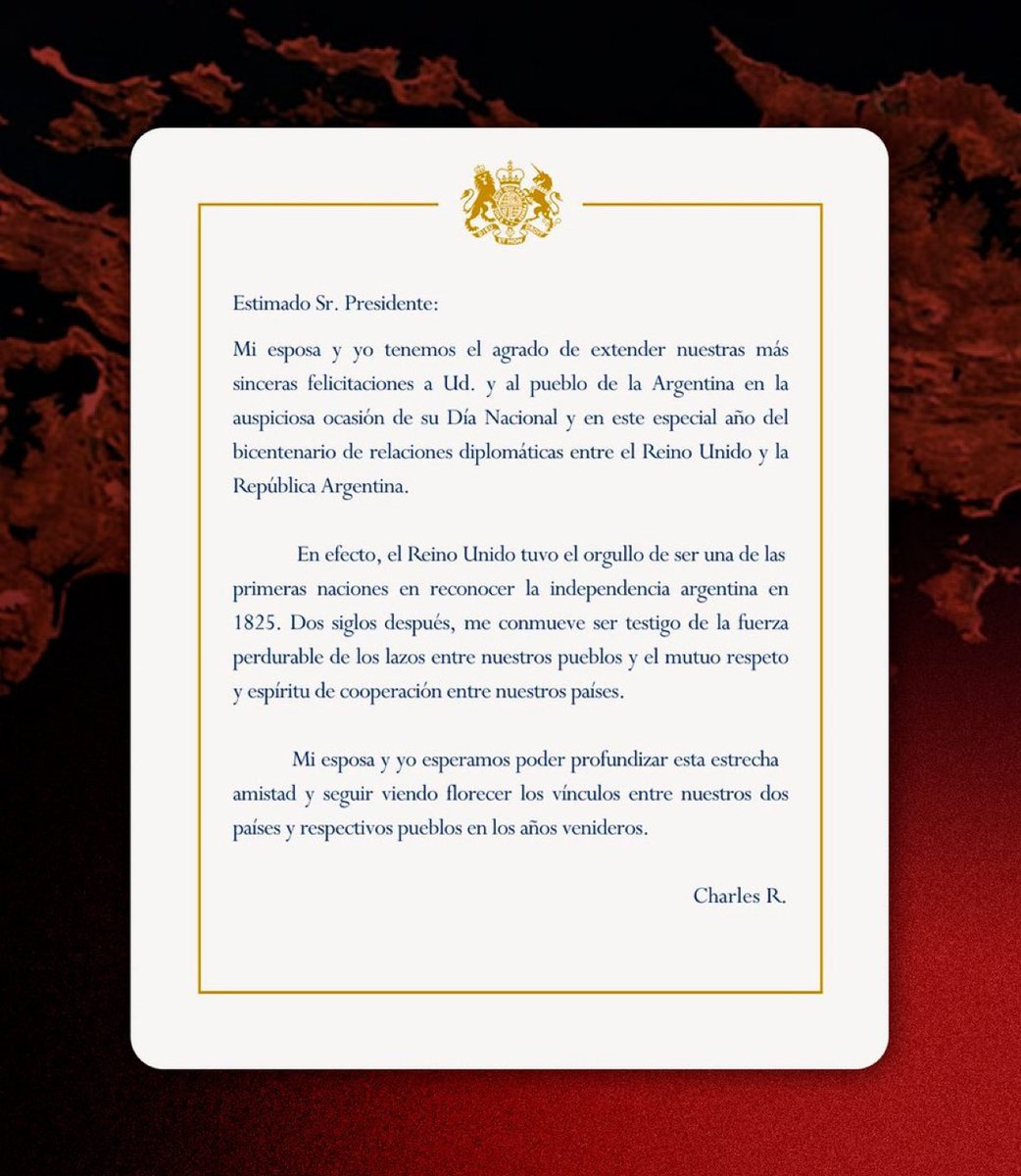
The British effective control over the islands since 1833 means that most of the Kelper population on the islands is British, and this is usually the main argument for keeping it that way: “the population on the islands do not want to join Argentina”.
In 2013, with Argentina pushing again for sovereignty talks, the islanders held a referendum on whether to stay a British Overseas Territory. Turnout hit 92%, and 99.8% voted to keep things exactly as they were. Three people voted against. Three.
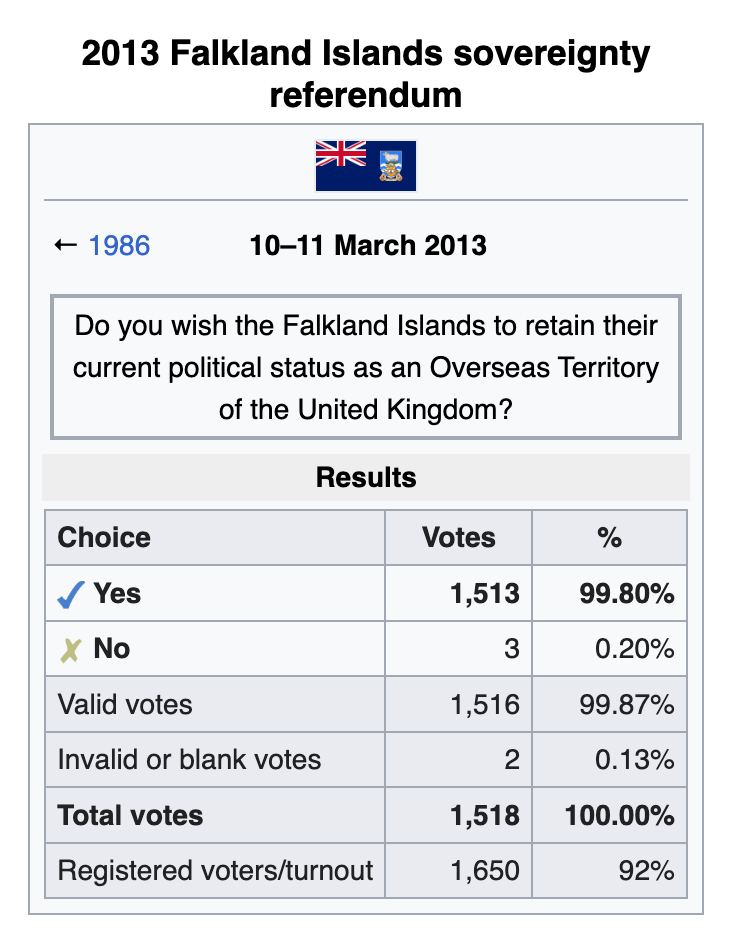
For Argentina, this referendum and the justification of the will of Falkland residents is a non-argument since the population on the islands is viewed as a foreign occupation that was installed to maintain control over them, not a legitimate population.
The 1982 War
Without picking sides, it is clear that the side that holds on to the claim more firmly and with more heartfelt emotion is Argentina, so much so that it was willing to start a war in 1982 to try to recover the islands.
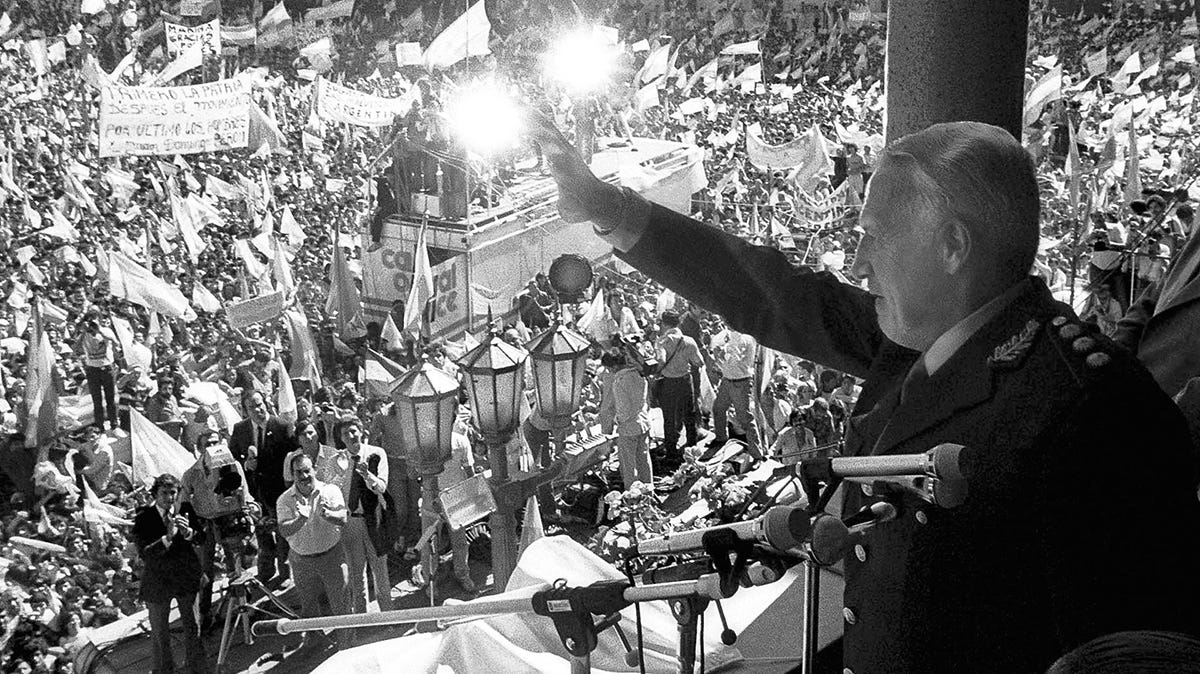
In hindsight the Falklands War would prove to be unfortunate, not just for the lives lost or the timing — the military dictatorship needed a “win” and more popular support, and decided that the Malvinas War was the best way to do so — but also with regards to the broader communication, flights and commerce between the islands and Argentina.
The Malvinas of the 1970s were a forgotten wool outpost, not the prosperous little enclave they like to show today. The local economy was stagnant, population was shrinking, and the islands leaned heavily on Argentina for the basics. Direct flights from the mainland, fuel shipments, and even teachers crossed from the continent under commercial arrangements that Buenos Aires and London had quietly worked out.
By the early 80s, without that lifeline or a serious plan from the UK, the islands were staring at economic collapse. This was a place that needed a war to become viable, lol.
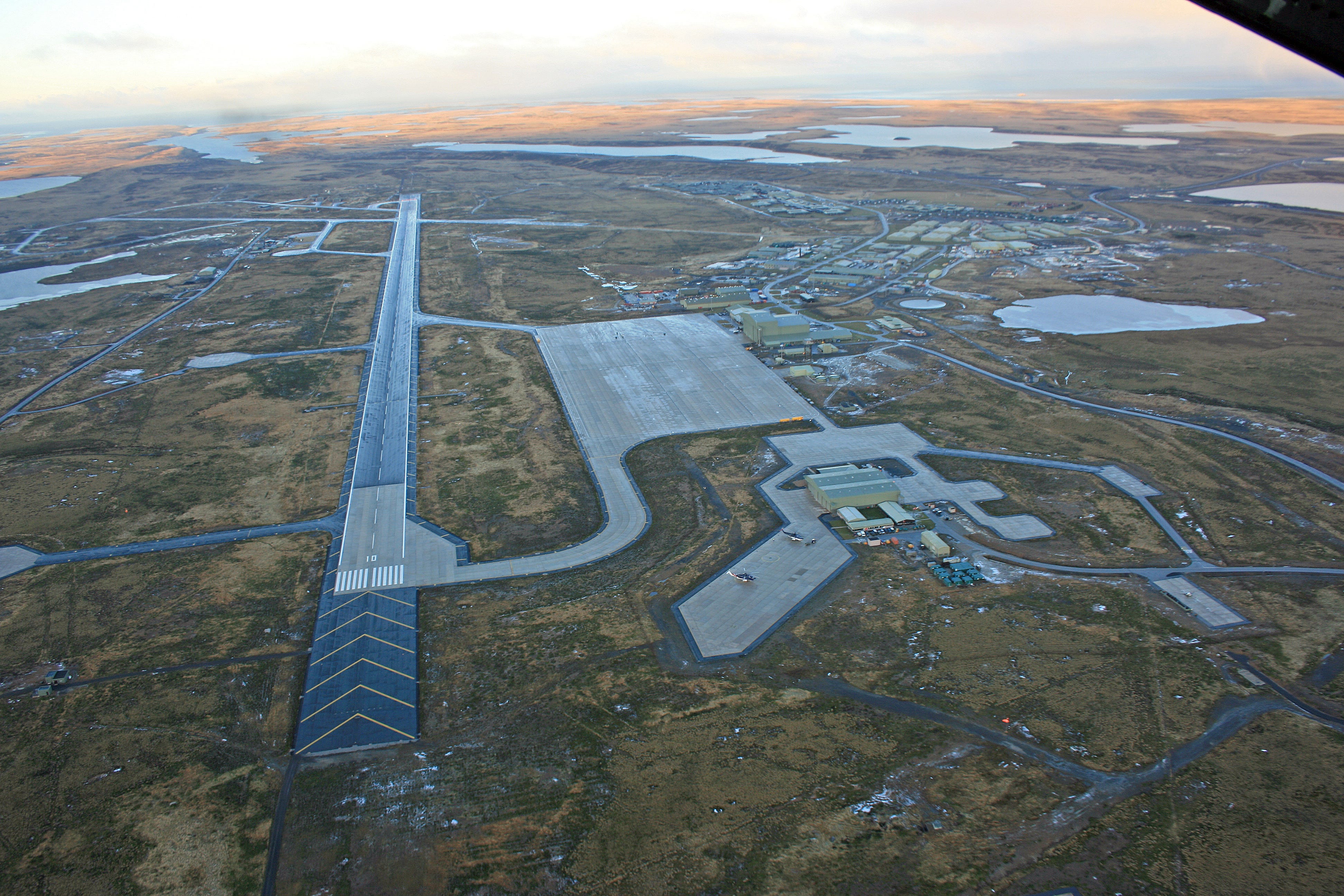
After Galtieri handed London the perfect excuse to pour money in, Britain rebuilt and modernized the islands at scale, with the crown jewel being the Mount Pleasant military airbase.
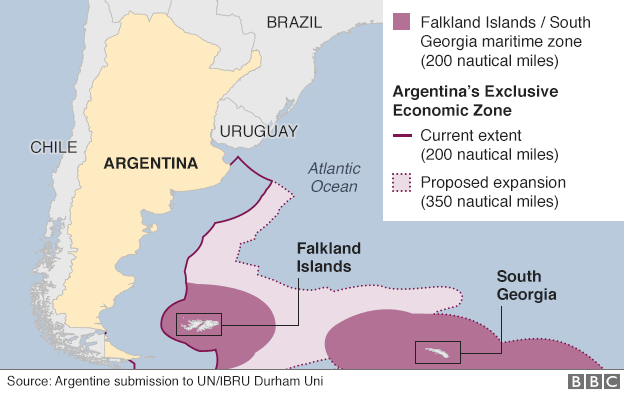
In 1987 they drew their own Exclusive Economic Zone and started selling fishing licenses to foreign fleets, mostly for squid, which quickly outgrew wool as the main export. GDP per capita jumped into the same bracket as Norway or Switzerland, and unemployment in recent years has sat below 1%. Not bad for a few thousand people on a windswept rock.

For Argentina, the war was a financial disaster on top of a military one. It piled unpayable debt on a country already unraveling, and inflation blew past 200% in 1982 and would climb all the way to over 5,000% around 1989. Any direct commercial link between the continent and the islands was cut, and it has barely recovered since. A rare case where losing a war also meant losing the customer.
Milei’s Vision
This loss of integration with the mainland after the 1982 war makes a Hong Kong-style return of the islands less likely, despite the fact that there is also a minority of Argentine nationals living on the islands.
Even before his presidential campaign, President Javier Milei has always advocated for a solution with those characteristics, and has maintained that stance throughout his presidency:
“We claim sovereignty over the islands. We consider the Malvinas Islands to be Argentine (…) and they are being occupied by the United Kingdom. And we believe that this must be resolved through diplomatic channels, using the model that China employed in the case of Hong Kong.”

Internationally, President Milei reasserted Argentinian sovereignty over the Malvinas immediately after the UK gave up Diego Garcia. For the first time in centuries, no country in Europe is in a position to project hard power globally, and as of late, the diplomatic channels seem to be in Argentina’s favor.
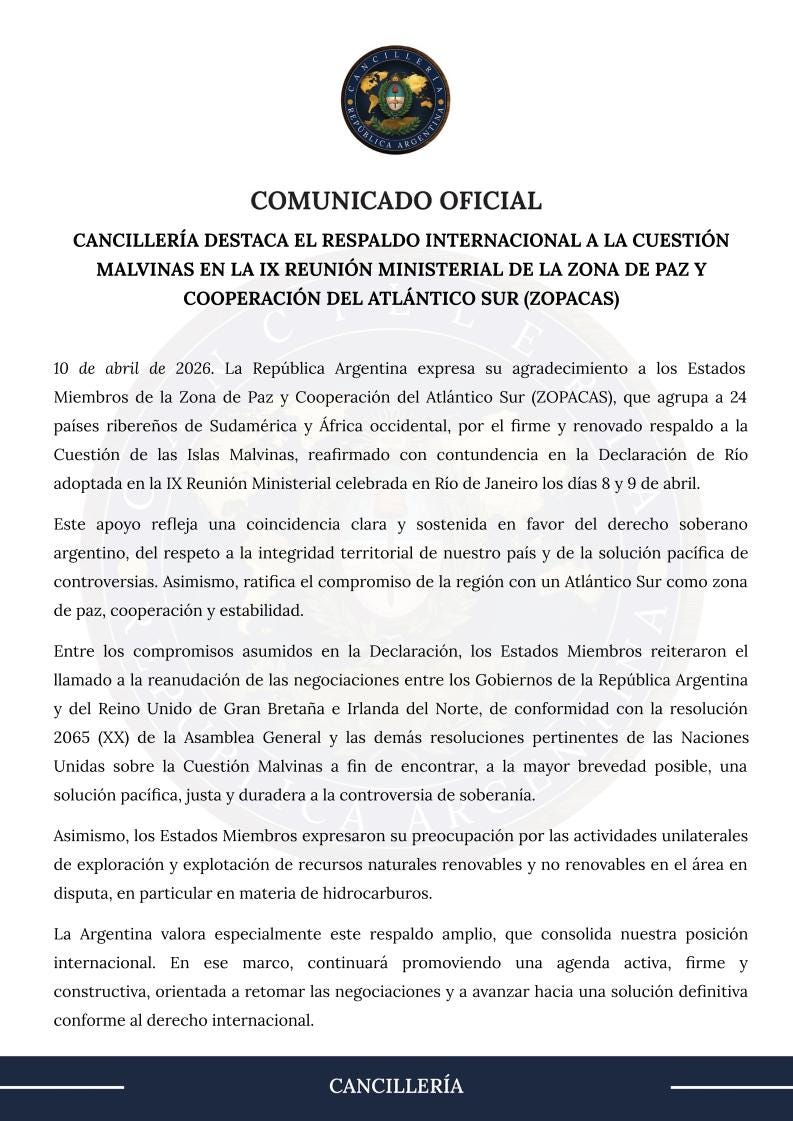
In the most recent Ministerial ZOPACAS Meeting, Argentina highlights the renewed international backing received for its claim of sovereignty over the Malvinas Islands:
On April 10, 2026, the Argentine Republic thanks the member states of the Zone of Peace and Cooperation of the South Atlantic (ZOPACAS)—a group of 24 countries from South America and West Africa—for their firm and renewed backing of Argentina’s position on the Malvinas Question. This support was clearly reaffirmed in the Rio Declaration adopted at the IX Ministerial Meeting held in Rio de Janeiro on April 8–9.
This endorsement demonstrates a consistent and solid regional consensus in favor of Argentina’s sovereign rights, respect for our territorial integrity, and the peaceful settlement of disputes. It also confirms the shared commitment to keeping the South Atlantic a zone of peace, cooperation, and stability.
In the Declaration, the member states once again called for the immediate resumption of negotiations between the Argentine Government and the United Kingdom of Great Britain and Northern Ireland, in line with United Nations General Assembly Resolution 2065 (XX) and other relevant UN resolutions, with the goal of reaching a peaceful, just, and lasting solution to the sovereignty dispute as soon as possible.
During the Falklands War, Pinochet’s Chile provided crucial logistics support to the British, which was essential to the British war efforts. The fact that Chile’s President Antonio Kast has now also voiced his support for Argentine sovereignty of the islands, is a telling sign of momentum building up for Argentina’s claim:
During his first international trip since taking office, Kast reaffirmed Chile’s support for Argentina’s “legitimate sovereign rights” over the Falkland Islands, South Georgia, the South Sandwich Islands and their maritime spaces, according to a joint statement from the foreign ministries of Chile and Argentina.

History and population claims aside, what actually makes these islands valuable, and why is this suddenly back on Argentina's front burner?