

Welcome Avatar! On November 5, Spain's DIA announced it was leaving Argentina. The buyer of its 991 stores is a company called Dorinka SRL, which belongs to Grupo De Narváez, which belongs to a red-haired man born in Bogotá in 1953.
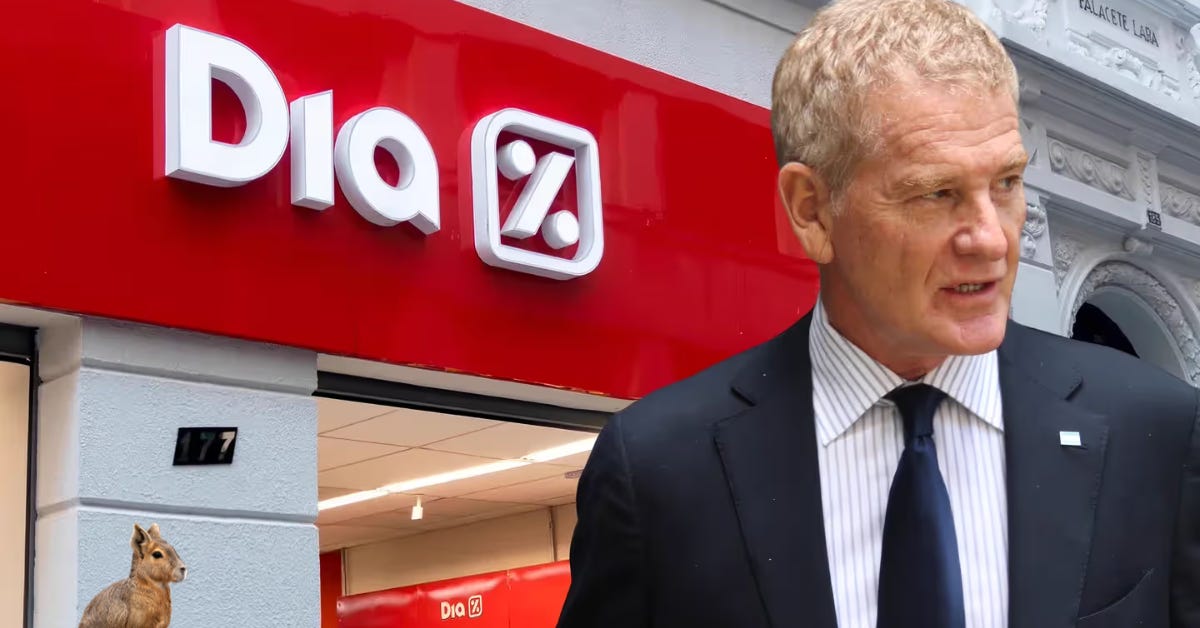
Francisco de Narváez paid $53.8 million dollars for the chain with the most supermarkets in the country. A year earlier he had offered roughly $1 billion dollars for Carrefour Argentina and walked away empty-handed.
If you have been around in Argentina for longer, you probably know De Narváez from politics (he was the first foreign-born national deputy in the country, from 2005 to 2015), but he was an entrepreneur first, and a quite successful one, despite the Chinese character tattoo on his neck.
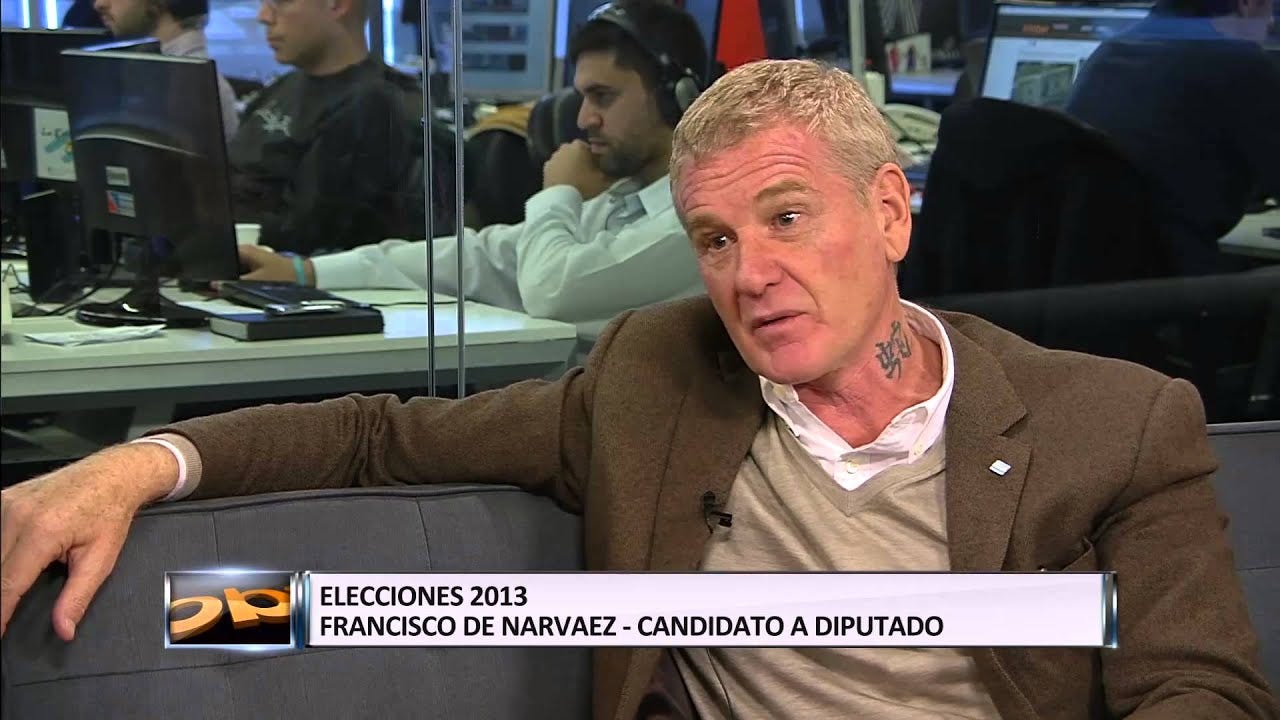
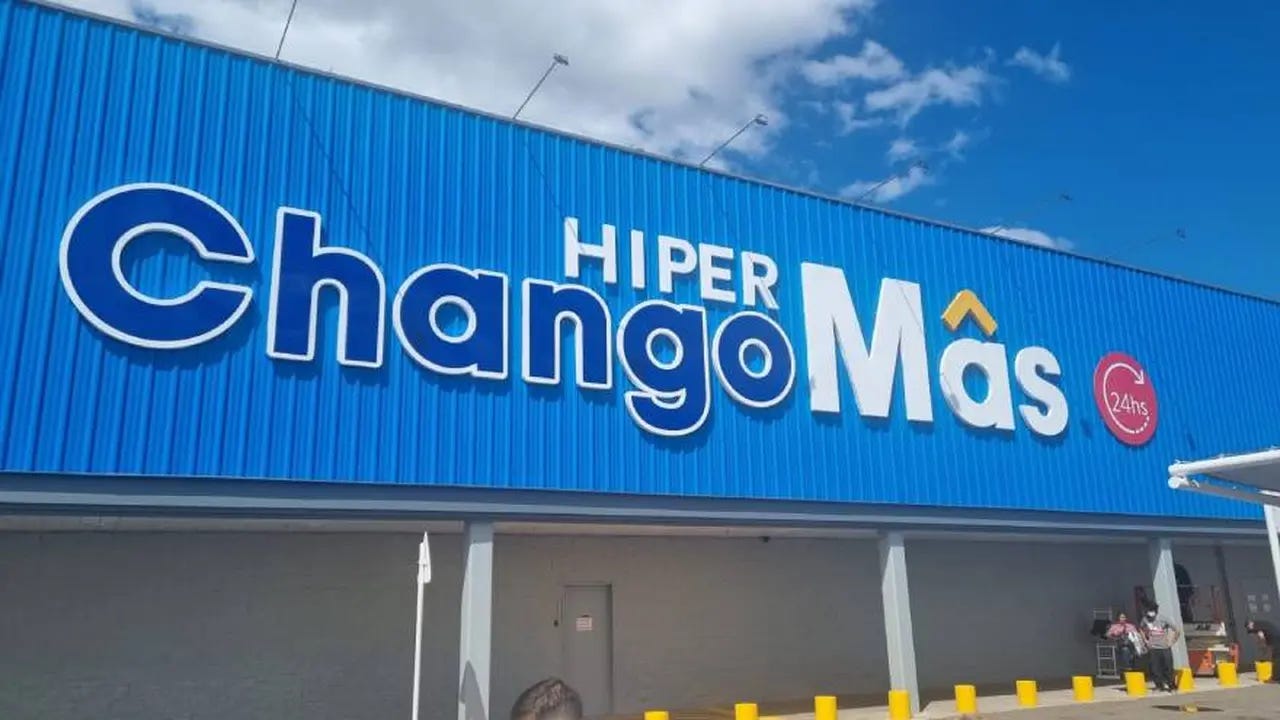
Before his jump into politics, De Narváez was already the owner of the ChangoMás supermarket chain, with his brand clearly visible across the River Plate stadium, and Casa Tía, a variety store that grew into a supermarket chain.
Francisco is an interesting character for a reason more closely related to the topics I usually discuss on this blog: De Narváez is a foreigner who reached the highest levels in Argentina in two fields where power collides: business and politics. Czech grandparents, a Colombian father, a Colombian passport until the 1990s, when he naturalized as Argentine. From 2005 to 2015 he was actively involved in Argentine politics, and even ran for governor for the province of Buenos Aires. In total, he spent a reported $50 million dollars in those 10 years to see how far money and a good campaign could get an outsider in Argentine politics.
And this month, De Narváez is buying the DÍA supermarket chain in Argentina, 27 years after having sold the family chain to a private equity fund.
From Prague to calle Suipacha
Francisco de Narváez’s grandparents on his mother’s side (Steuer) were Czech immigrants to Colombia. The Steuers had a long track record in what is now the Czech Republic. Back in the 18th century, they sold natural oils or essences, and later on, they also became major exporters and suppliers for the entire Central European region, operating their business from Prague.
During the Great Depression in 1929, Karel Steuer, the family patriarch, decided to open a shop where they could sell all sorts of small, inexpensive items, that any aunt in the Czech Republic might able to buy for her nephew. This is why the first stores were called “Teta”, which means aunt (tía) in Czech (Teta would’ve definitely not worked in Spanish, lol).
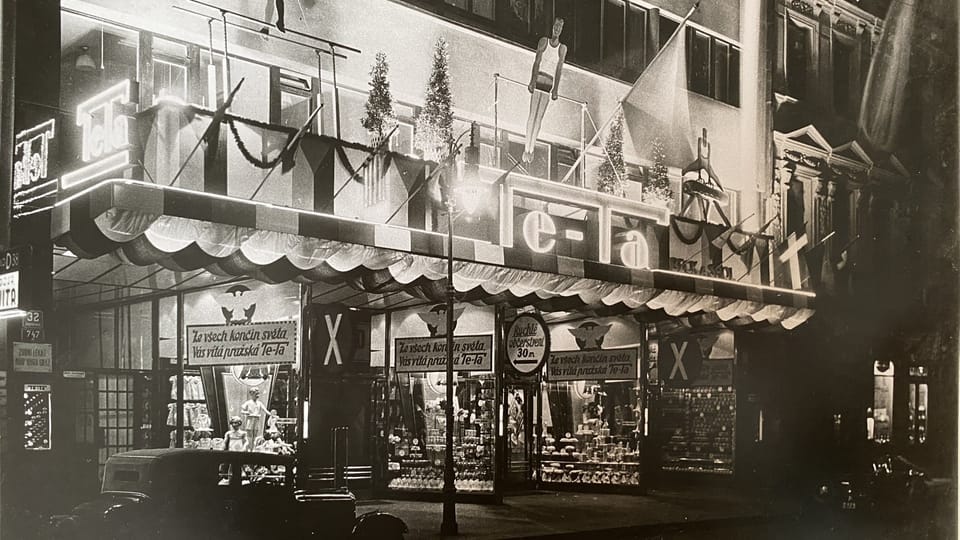
They branched out their business to multiple Eastern European countries, but as the war broke out they decided to bail for Latin America and move to Colombia in 1940, which is where they open up Casa Tía (Tiendas Industriales Asociadas).
Karel’s daughter, Doris Steuer, fell in love with Juan Salvador de Narváez, a Colombian polo player and representative of the National Federation of Coffee Growers in Colombia. They got married, and had three of their four children in Colombia: Juanita, Carlos, and Francisco (who is the third of the siblings and our main focus for this article); later they had another daughter, Isabel, when they were already settled in Argentina.
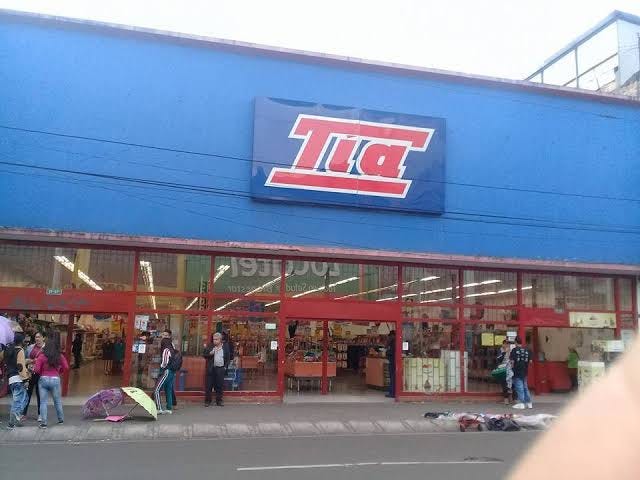
In 1947, the first Casa Tía store opened in Buenos Aires on Suipacha Street. They began opening more Casa Tía locations across Latam; not only in Colombia and Argentina, but also in Uruguay and Ecuador. By 1970, they had a total of 14 Casa Tía stores.
The Right Boarding School
As is often the case in Argentina, certain private schools can determine much of the lifetime trajectory of the students that attend. Francisco, nicknamed “El Colorado” (redhead), attended the Newman school, one of the top schools in the country, where Mauricio Macri and Nicky Caputo also attended a few years later.
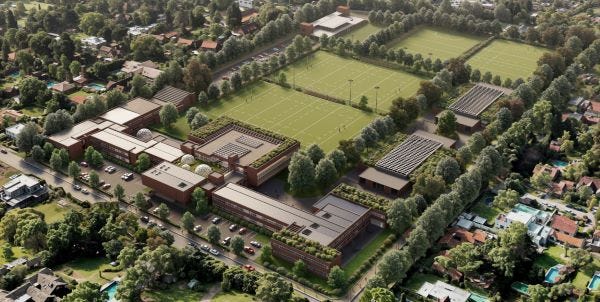
Francisco spent his weekends at his maternal family’s country estate in Tortuguitas, and he also spent a great deal of time at the Tortugas club playing polo, since his father was a polo player and owned polo horses.
Between 1970 and 1971, he began working at the Casa Tía family business, where he was responsible for receiving trucks and verifying delivery manifests. He remained there for 28 years, until the company was sold in 1998.
Flipping the Tía business
By the early 1990s the chain is losing money, the big international players are arriving, and Francisco is in a very dark place.
In the 1990s, with the arrival of large retail chains, Casa Tía required significant capital injections to continue opening new branches; as it began to lose money, the De Narváez, Steuer, and Deutsch families sold off parts of their business, including their stake in Makro and the Paseo Alcorta shopping center (sold to Elsztein’s IRSA), pocketing at least 100 million dollars to keep the rest of the operation afloat.
Overwhelmed by the crisis and a troubled marriage, Francisco recounts that one day he drove to the Hyatt Hotel (now the Four Seasons), took a firearm, and contemplated ending it all. His wife arrived, they spoke, and he emerged with a new perspective: they had to sell Casa Tía.
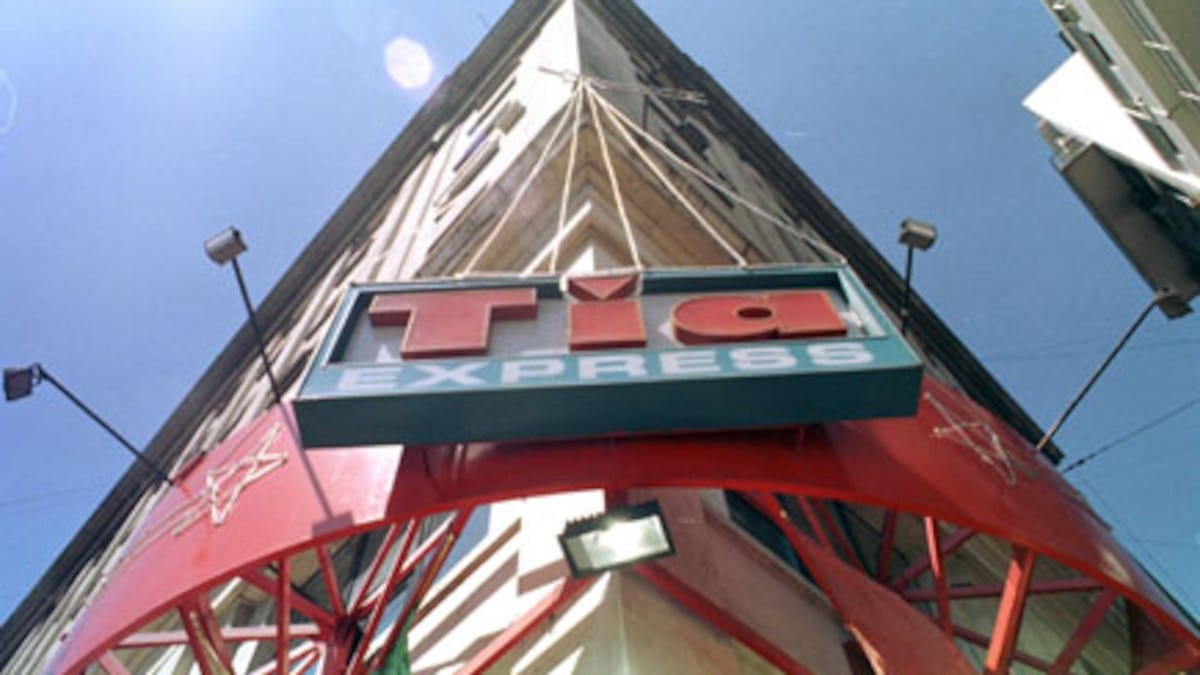
While employees were told that “Tía is not for sale,” a secret plan was launched in 1997 to bolster the company by opening new branches and securing contracts in areas where, due to a new supermarket law, competitors would be barred from entering. In 1998, with 61 locations, Casa Tía was sold to the Exxel Group—in partnership with the French firm Promodès (which later merged with Carrefour)—for 630 million dollars. Francisco’s share amounted to roughly 150 to 160 million dollars, and he summed it up this way: “I preferred to be a businessman with room for growth rather than a bankrupt patriot.”
What to do with $150 million in 1998
Francisco does what any reasonable man would do: he buys, or at least tries to buy, half the country. He bought companies and made investments, some of which were highly controversial.
For example with LAPA, the airline owned by the Deutsch family, with the De Narváez family also among the shareholders, Francisco was indicted in connection with the 1999 crash that claimed 65 lives, though he was ultimately cleared of charges.
Autist note — you can read more about the LAPA crash here:

He unsuccessfully attempted to acquire Azul Televisión, Musimundo, and Ideas del Sur. In 2003, he sought to sabotage the sale of the supermarket chain Disco to Cencosud; he placed a newspaper advertisement featuring the Disco logo, but replaced the word “Disco” with “País” (“Country”), and lobbied the Kirchner administration to ensure the company remained in Argentine hands.
The owner of Cencosud—a German-born man who had become a Chilean citizen (who is food for another article btw)—retorted: “Listen, pal, I’ve been in this country for ages, and you’re Colombian yourself—so what’s your game?”
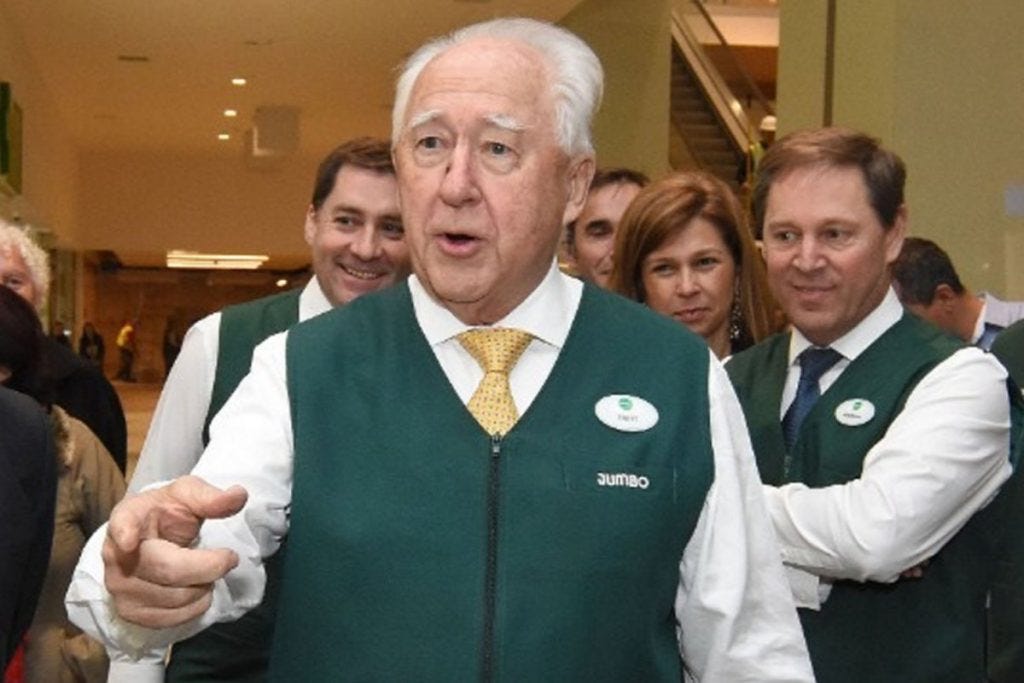
Cencosud went on to acquire Disco in November 2004. Funny detail is also that Disco was actually owned by Royal Ahold, the Dutch holding company of Albert Heijn supermarkets, before it got sold to Cencosud, so it was not even in Argentine hands to begin with.
In 1999, he became an early investor in the Rapsodia clothing brand, and around 2017, they partnered with the fund L Catterton (with Bernard Arnault as a major partner) to form Grupo Alas, which subsequently acquired Caro Cuore and Baby Cotton.
De Narváez also ventured into the media sector, acquiring a stake in América TV in 2005, El Cronista Comercial in 2006, and an outdoor advertising company in 2008; all with a strategy centered around La Rural.
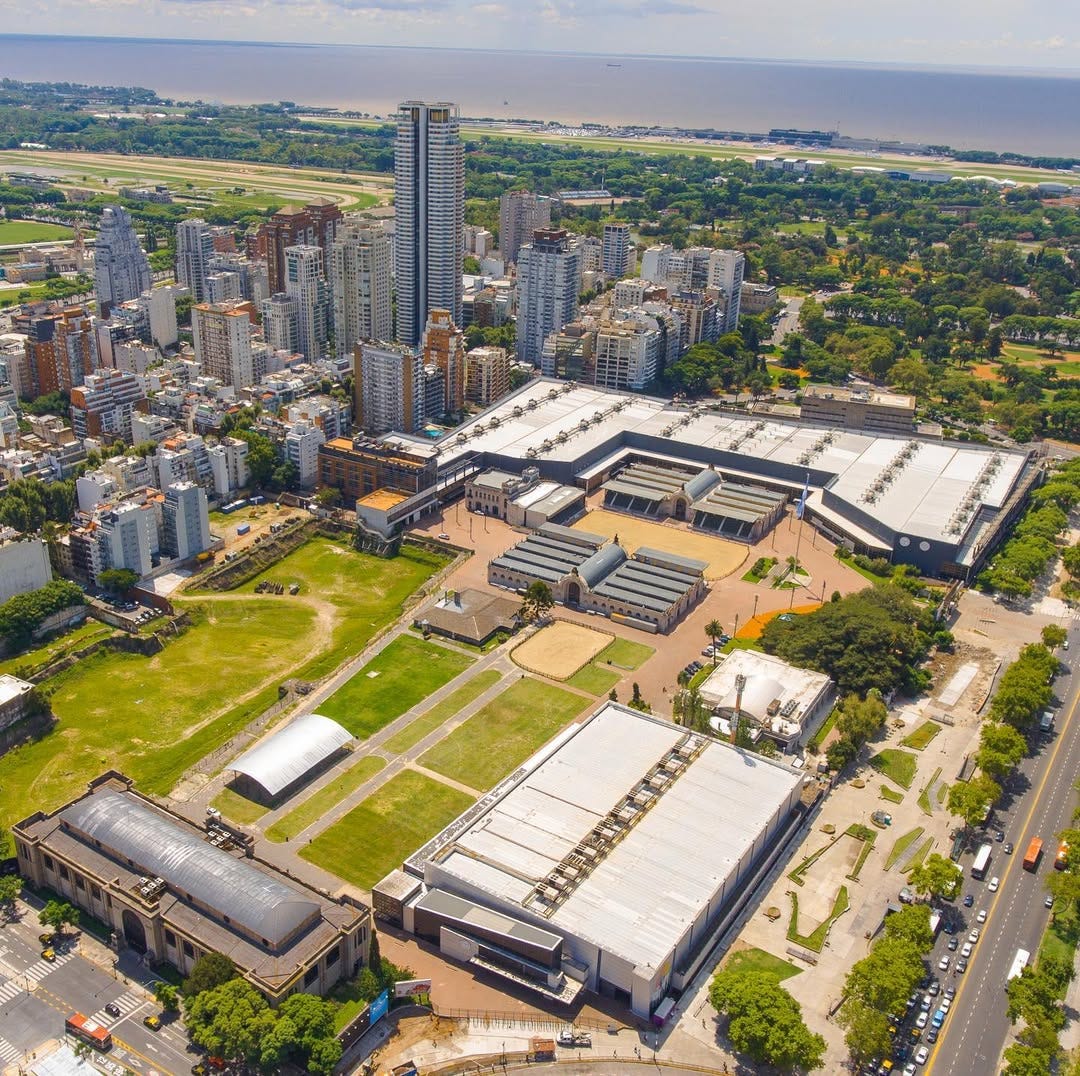
In 2002, he purchased the Argentine subsidiary of the U.S.-based firm Ogden—which had gone bankrupt—thereby acquiring a 50% stake in La Rural S.A., the company that operated the exhibition grounds.
The property had been sold by the Menem and Cavallo administration to the Sociedad Rural in 1991 for $30 million, a ridiculously low price said to be one-fourth of its actual value. Subsequently, he assumed the Sociedad Rural’s debts and eventually took full control.
Autist note — more about the La Rural and other privatizations during the Menem presidency here:

In 2012, Cristina Kirchner called for the expropriation of the site, a move ratified by Macri in 2017, yet the process remains in limbo. That same year, 2012, De Narváez sold his stake to the Fénix group; he later sold his interest in América in 2017, and El Cronista in 2021.
Finally, in 2020, Francisco made his long-awaited return to the supermarket sector: he acquired Walmart’s operations in Argentina (comprising over 90 stores) rebranded them as ChangoMás, and in 2022, signed a naming-rights deal with River Plate for their stadium, now known as the Más Monumental.
The First Foreign-Born Deputy
In 2001, his friend Mauricio Macri invited him to get involved in politics through the foundation Creer y Crecer, and following the fall of President De la Rúa, he ended up supporting Menem who was running for a comeback in 2003.
De Narváez was the one who brought in the advertising executive Agulla for the “Vamos Menem” campaign, and he claimed that he could put an end to hunger in Argentina within six months.
When he tells Duhalde, “I want to be governor,” Duhalde replies: “Calm down, dial it back a few notches—you can’t be governor; nobody knows who you are. You need to be a deputy first.”
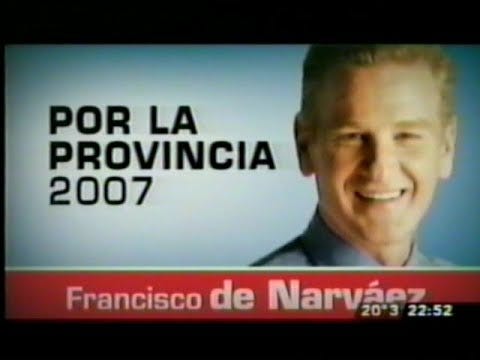
So, in 2005, he joins the list of candidates for deputy and becomes the first deputy not born in Argentina. In 2007, he runs for governor alongside Jorge Macri, even though the Buenos Aires provincial constitution prohibits anyone not born in the country, or not the child of native-born parents, from serving as governor. The Buenos Aires Supreme Court approves his candidacy nonetheless, and he finishes in third place with 15% of the vote.
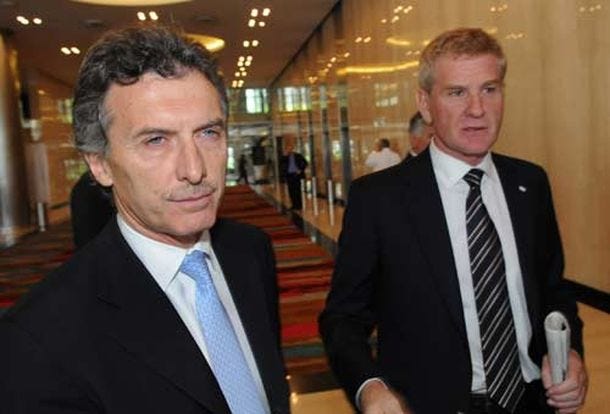
His political peak came in 2009 with Unión PRO, alongside Macri and Felipe Solá—featuring his “I have a plan” slogan, and the “insecurity map.” He defeated Néstor Kirchner 34% to 32% in a campaign overshadowed by the “ephedrine case”—a matter in which he was eventually never charged or indicted.
That victory fueled his presidential ambitions, but since Macri also aspired to the presidency, the two eventually parted ways. Also, for the presidency De Narváez would have had a similar problem, but on a national scale: the Argentine Constitution prohibits citizens not born on Argentine soil from becoming President.
From then on, it was a downward spiral: in 2011, he finished second in the race for governor while aligned with the UCR (under Ricardito Alfonsín); in 2013, he placed fourth in an alliance with Hugo Moyano; and in 2015, he joined forces with Massa of all people, withdrew his own candidacy, and ultimately urged people to vote for Scioli.
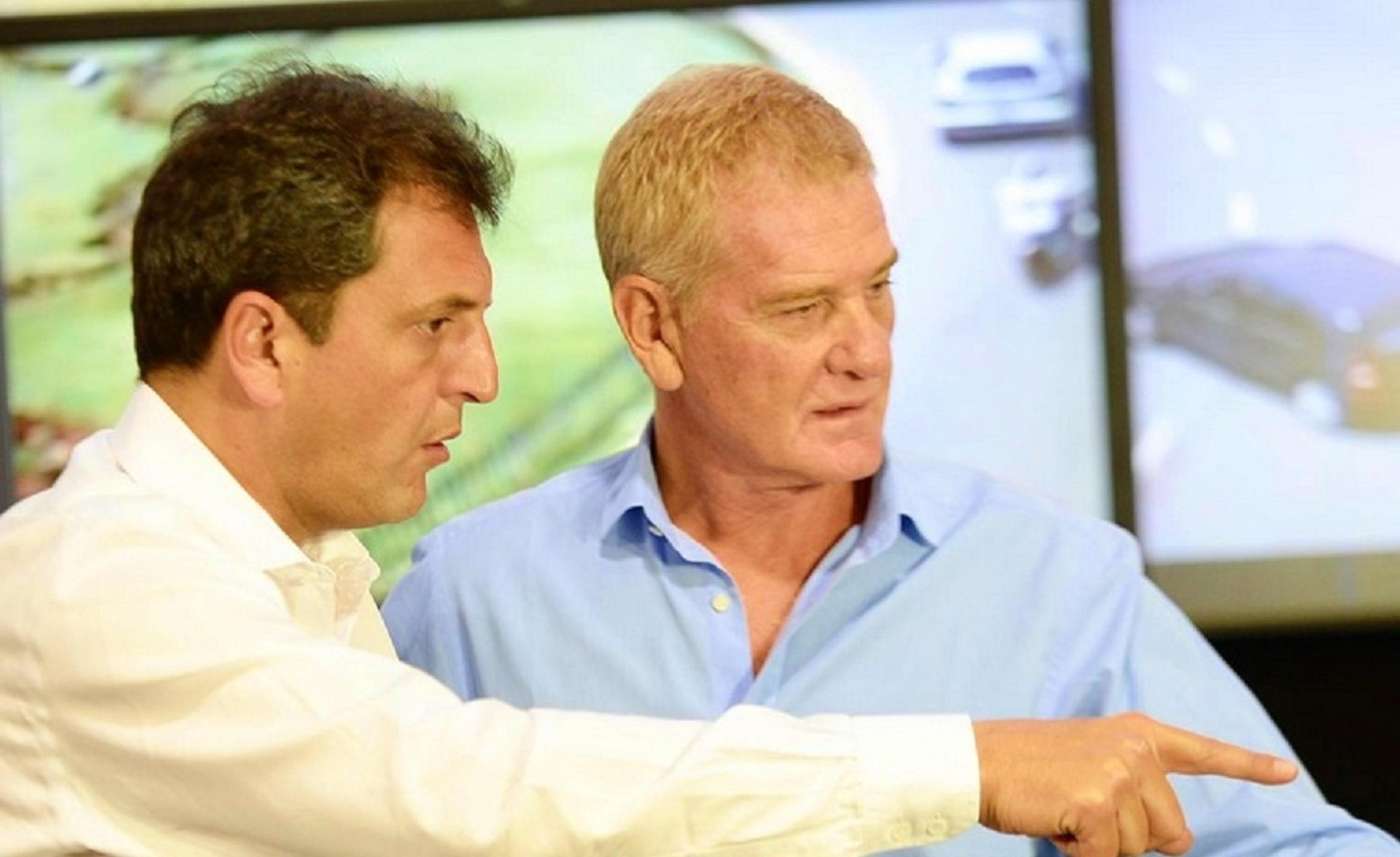
Massa remarked that some politicians are like drunks wandering from bar to bar, begging for one last drink—and as for Macri, there was simply no one left with whom he hadn’t already been allied. That same year, he resigned from his parliamentary seat, with two years still remaining in his term.
In 2023, he donated funds to Sergio Massa’s presidential campaign, so it does seem that he thinks his local businesses will do better if they are protected from competition by a Peronist model, something we call cazar en el zoológico (hunting in the zoo) in Argentina.
Back to the Supermarket
In early 2026 he sold everything he owned in Uruguay, Ta-Ta supermarkets included, to Paraguay’s Grupo Vierci to raise cash for a run at Carrefour. That left ChangoMás in Argentina and the Tía stores in Ecuador, the last pieces of the old family chain still in his hands.
In 2025, he submitted a $1 billion dollar bid for Carrefour together with the L Catterton fund, which was not accepted. But he would get another shot at one of the other big chains soon after: in 2026, DIA announced that its Argentina operations were up for sale.
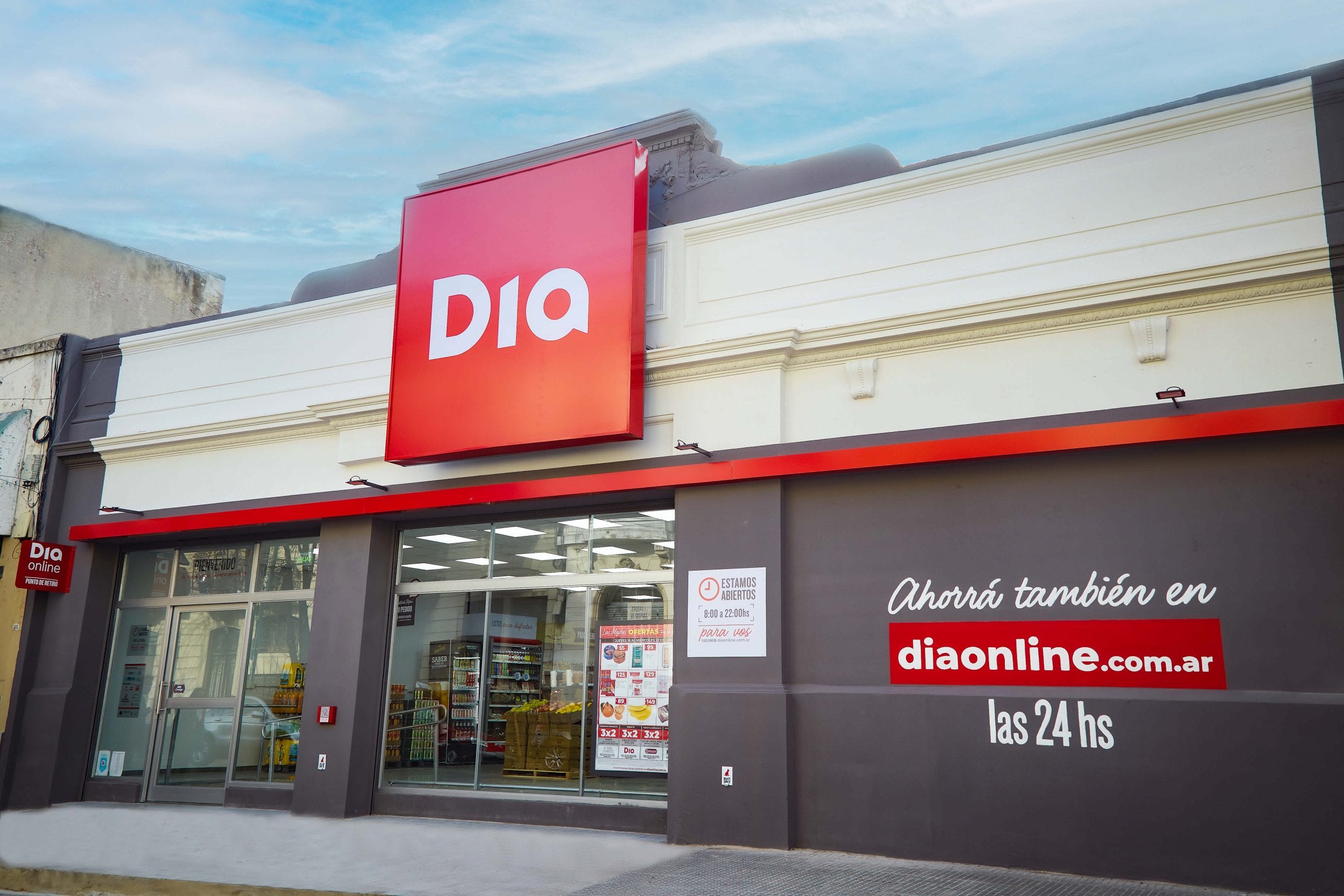
On November 5, DIA announced the sale of its 991 branches, most of which are franchises, to Dorinka SRL (part of the De Narváez Group) for only $53.8 million, which is a drop in the bucket compared to the Carrefour amount he was willing to pay. Of that total, $40 million was for the operation itself, $4.8 million went toward debt repayment, and $9 million was for the right to use the DIA brand for three years.
A key detail explains why the deal took place precisely now: on November 17, 2026, exactly one year after the appointment of the members of the National Competition Authority, Article 9 of Law 27.442 will come into effect, which requires that mergers and acquisitions be notified for prior review.
Had De Narváez acquired DIA after that date, he would have been required to wait for official authorization; as it stands, the regulatory review will take place only after he has already assumed control.
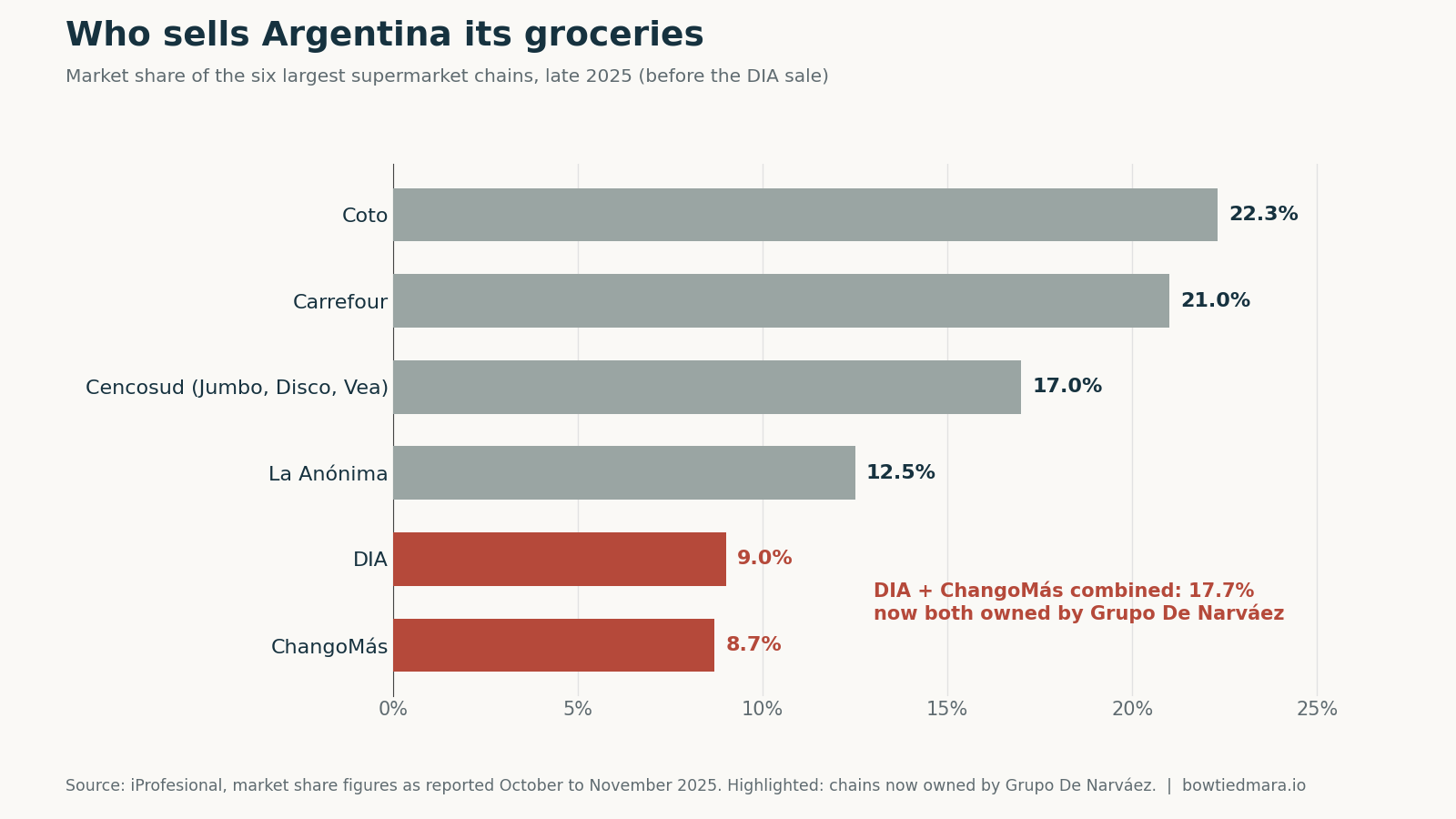
For the De Narváez Group, the acquisition represents both scale (increasing its footprint from 170 to over 1,000 branches) and greater reach, establishing a presence in provinces where it previously had no operations.
With the combination of DIA and ChangoMás, the group will command a market share of nearly 18%, positioning it as a near-leader in the sector, above Cencosud.
Final Thoughts
Francisco de Narváez is another story of what is possible in Argentina, as long as you come from the right family, which is not a prerequisite (see the Aristotle Onassis story), but it definitely helps.
Autist note: another foreign entrepreneur profile is this one of Aristotle Onassis:

It’s interesting to see how he switched from entrepreneurship to politics after selling the top and cashing in $150 million, only to abandon the political arena after having switched alliances within the full political spectrum. Money might have bought him a deputy chair and a good campaign, but that alone cannot buy you a party.
De Narváez was a buyer when Walmart, DIA and (almost) Disco and Carrefour wanted out of Argentina, which says a lot about his confidence in running these chains in the complex economic environment that Argentina brings to the table.
Despite his anti-Cristina campaign in the early 2010s, he did eventually support Scioli in 2015 and Massa in 2023, which goes to show that many businessmen in Argentina eventually become zoo hunters who want their businesses protected from outside competition by Peronist administrations whenever possible.
See you in the Jungle, anon!
Other ways to get in touch:
1x1 Consultations: book a 1x1 consultation for more information about obtaining residency, citizenship or investing in real estate in Argentina here.
Propertyinbuenosaires.com: personal resource website with everything you need to know about buying and selling property in Argentina.
ArgInvesting.com: new project — a mini-Bloomberg for Argentina. Live FX, BCRA, inflation and bond data with interactive charts, plus the full Macro Pulse report. Built off the Argentina Macro Pulse you’ve read here.
X/Twitter: definitely most active here, you can also find me on Instagram but I hardly use that account.
Podcasts: You can find previous appearances on podcasts etc here.
YouTube: Check out my channel for real estate info and more.
WiFi Agency: My other (paid) blog on how to start a digital agency from A to Z.
OMG! My head is spinning! The machinations of the big business men in Argentina is incredibly complicated.