

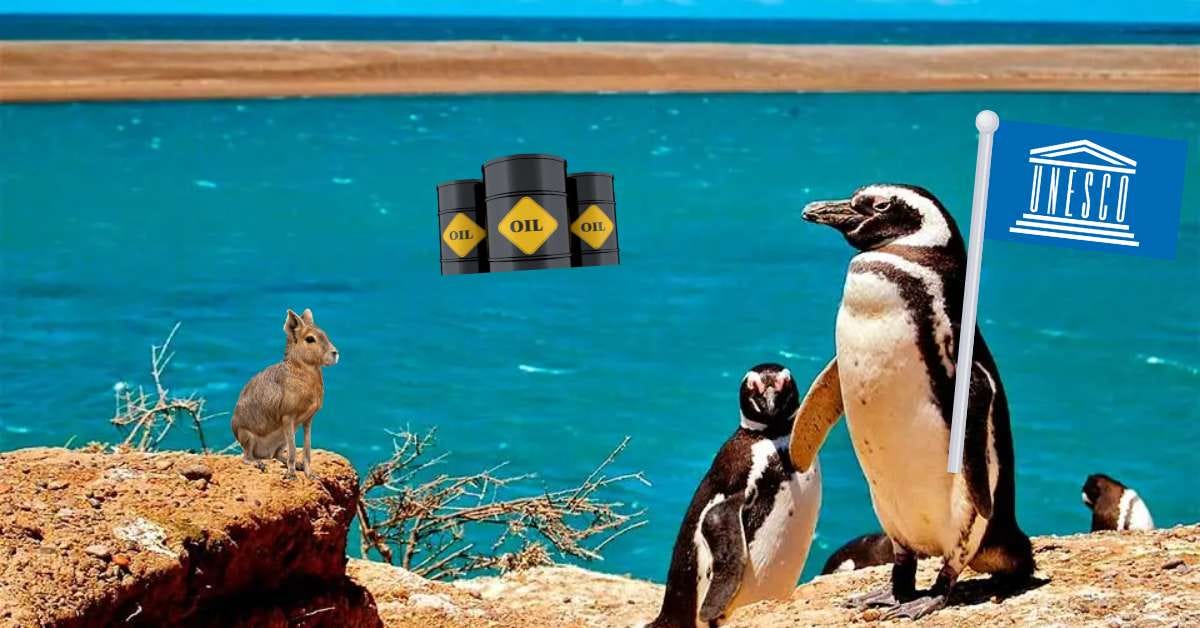
Welcome Avatar! While the chainsaw keeps roaring in Buenos Aires, a different battle over Argentina’s development was fought last week in a conference room in Busan, South Korea. The UNESCO World Heritage Committee circulated a draft decision asking Argentina to suspend works on the Punta Colorada oil terminal, the single most important piece of infrastructure this country has built in decades. Today we look at how a petition from a group of NGOs ends up on a UN letterhead, and at the green machine of the Eco Taliban that has been pulling the handbrake on Patagonia for 30 years.
Patagonian Texas goes into depth on the Vaca Muerta Sur (VMOS) pipeline, but the main headline is that this will roughly double Argentina’s oil export capacity on its own, with an initial 180,000 barrels per day, expandable to 550,000 and later 700,000.
This 437 km pipeline from the Neuquén basin to Punta Colorada on the Río Negro coast was funded by a consortium of all the big players in the Argentine energy game (YPF, PAE, Vista, Pampa, Pluspetrol, Chevron and Shell).
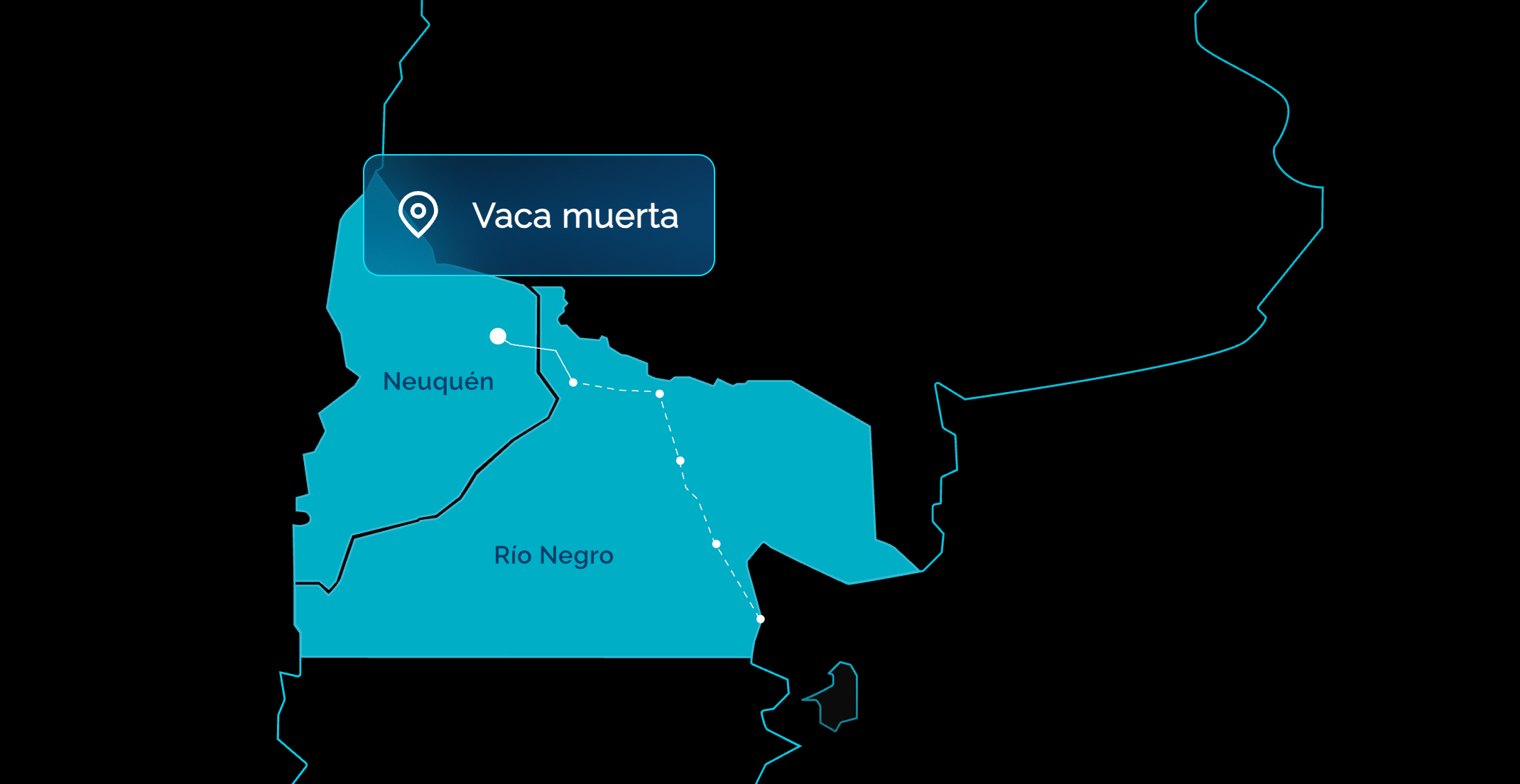
At the water’s edge, two monobuoys will load VLCC supertankers 6 to 8 km offshore, fed by onshore tanks holding 4 million barrels, and the first exports are expected in Q4 of this year.

By the end of the 2020s, this one pipe should be moving $15-20 billion dollars per year in exports. For a Central Bank that has been stacking US Tokens like there’s no tomorrow (as we saw in Keeping the Faith), those are exactly the dollars that could completely replace the already lowered agro export tariffs, and the whole Milei TMAP story depends on them.
It was only a matter of time before some of the usual suspects came out of their natural habitat to see if they could put a stop to the energy section of Argentina’s growth story.
The formal reason is Península Valdés, the whale sanctuary and World Heritage Site that sits around 30 km across the water in another gulf, in another province (Chubut).
But the real story involves a familiar set of protagonists: international NGOs, foreign money, and the playbook I already described three years ago in The Role of NGOs in South America. Below we go through UNESCO’s latest joyita, who actually signed the petition, and why the same organizations go completely quiet the moment a drilling rig flies a British flag.